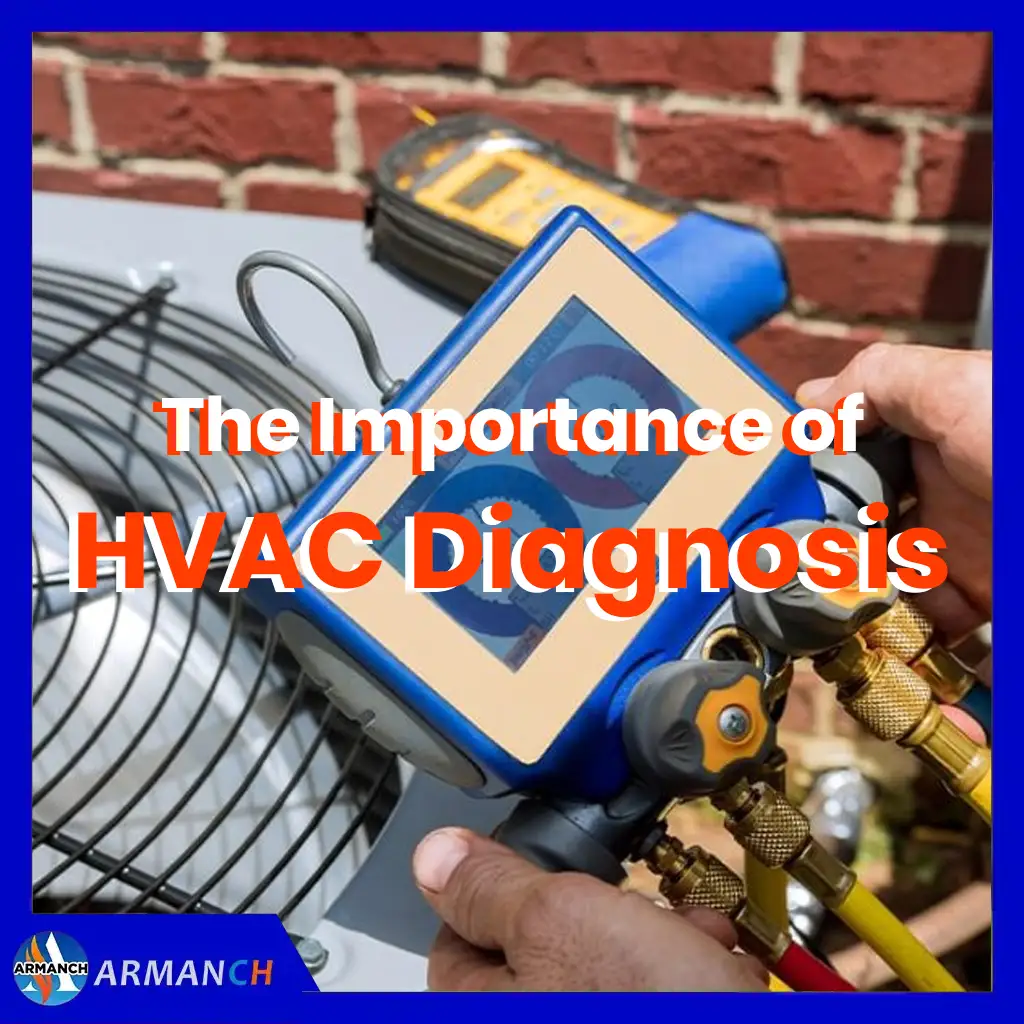
The Importance of HVAC Diagnosis Before Installation
Avoid costly HVAC mistakes by getting a full diagnosis before installation to boost efficiency, comfort and system lifespan.

Avoid costly HVAC mistakes by getting a full diagnosis before installation to boost efficiency, comfort and system lifespan.

Upgrade to cold climate heat pumps for year round comfort, saving money and energy and rebates, perfect for Canadian winters!

Smart HVAC inspections guide for homes and rentals. Spot hidden issues, save energy, and avoid costly surprises!

Discover the hidden costs behind free HVAC diagnostics and learn how to protect your home with honest, professional inspections.
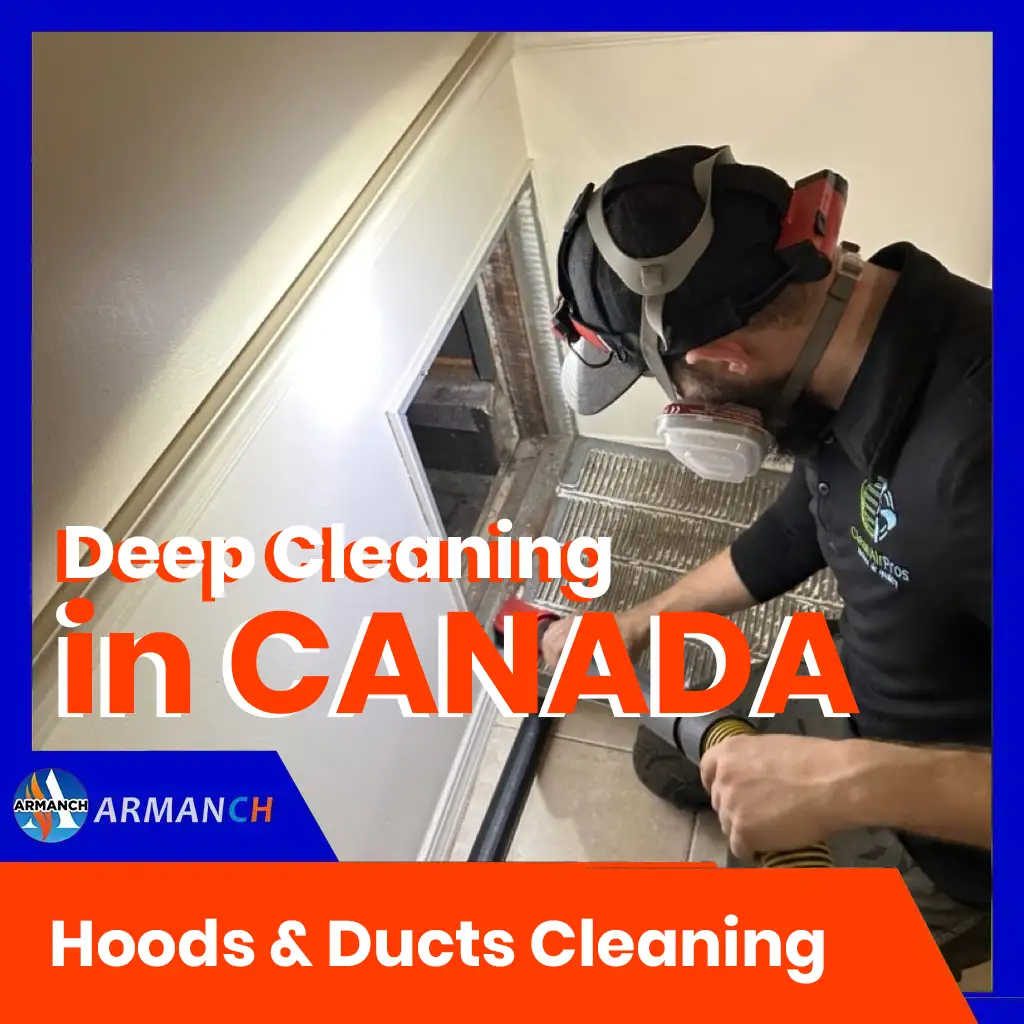
A clean and well.maintained range hood and duct system is essential for every commercial kitchen. Over time, grease, smoke and airborne contaminants build up inside your exhaust system , increasing the risk of fire, reducing airflow efficiency and compromising indoor air quality.
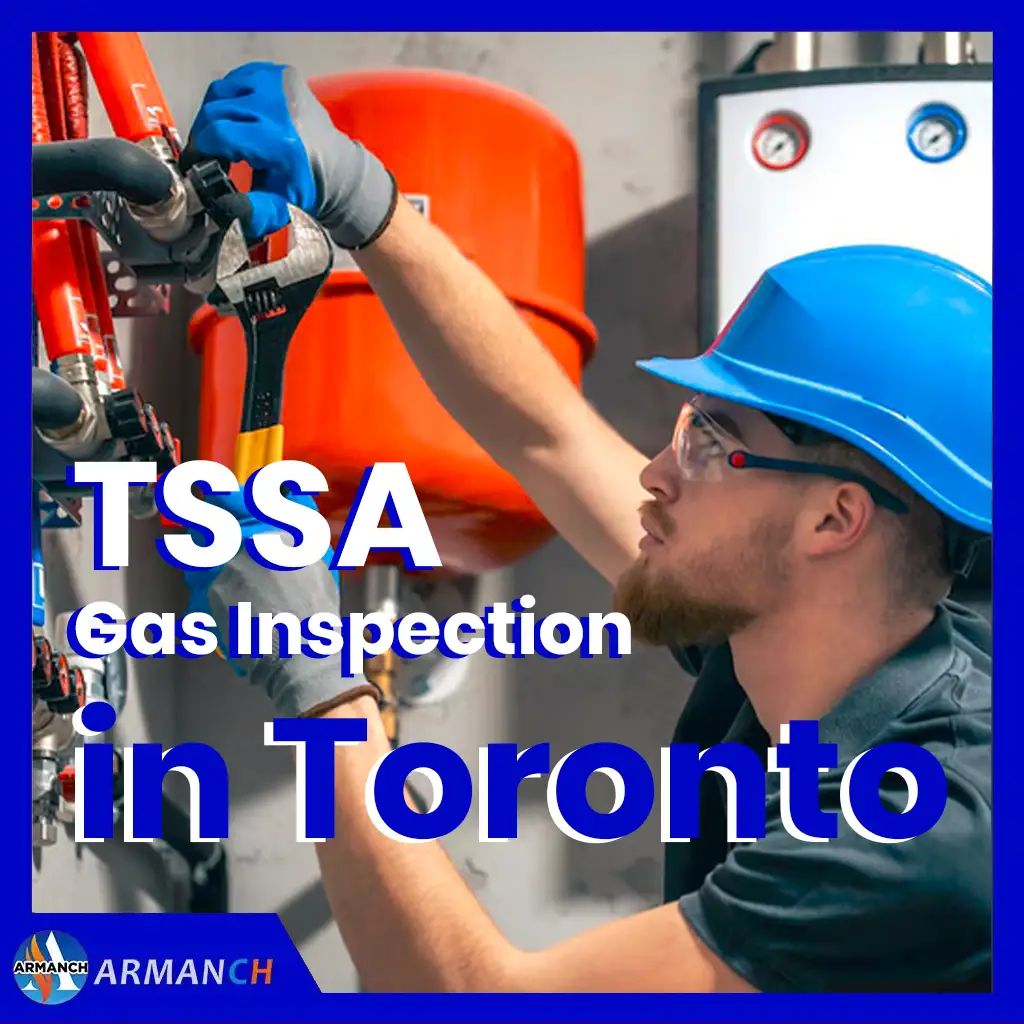
TSSA ( Technical Standards and Safety Authority ) inspections play a crucial role in keeping your home or business safe, compliant and energy-efficient. These mandatory inspections ensure that your gas appliances, such as furnaces, boilers, and water heaters, meet Ontario’s strict safety standards.
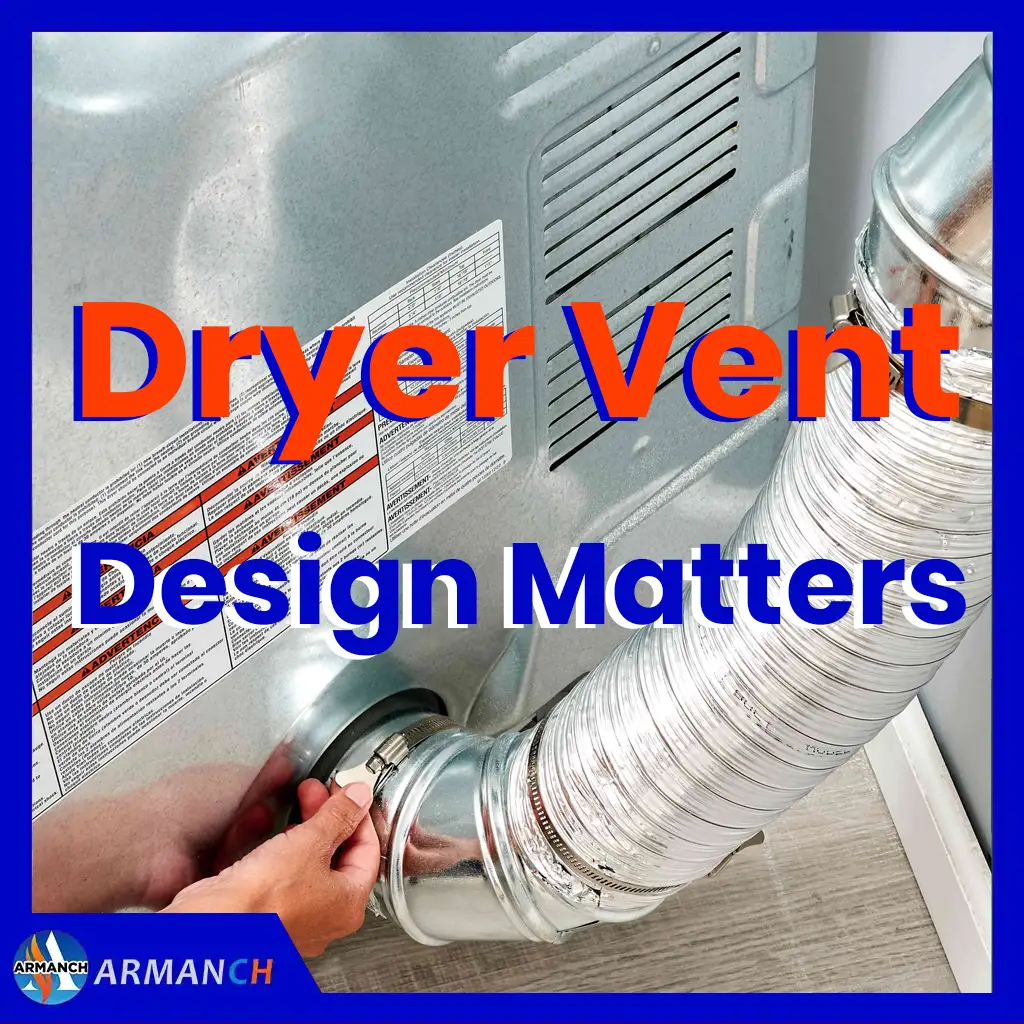
A well designed dryer vent system is more than just a pathway for air , it’s an important part of your home’s safety and energy efficiency. Poor vent design can lead to excessive drying times, trapped moisture and even dangerous lint buildup that increases the risk of fire. In long

When most restaurant or lab owners think about their HVAC system, they focus on heating and cooling, but rarely on air balance. Yet, this invisible factor can make or break the safety comfort and efficiency of your facility.
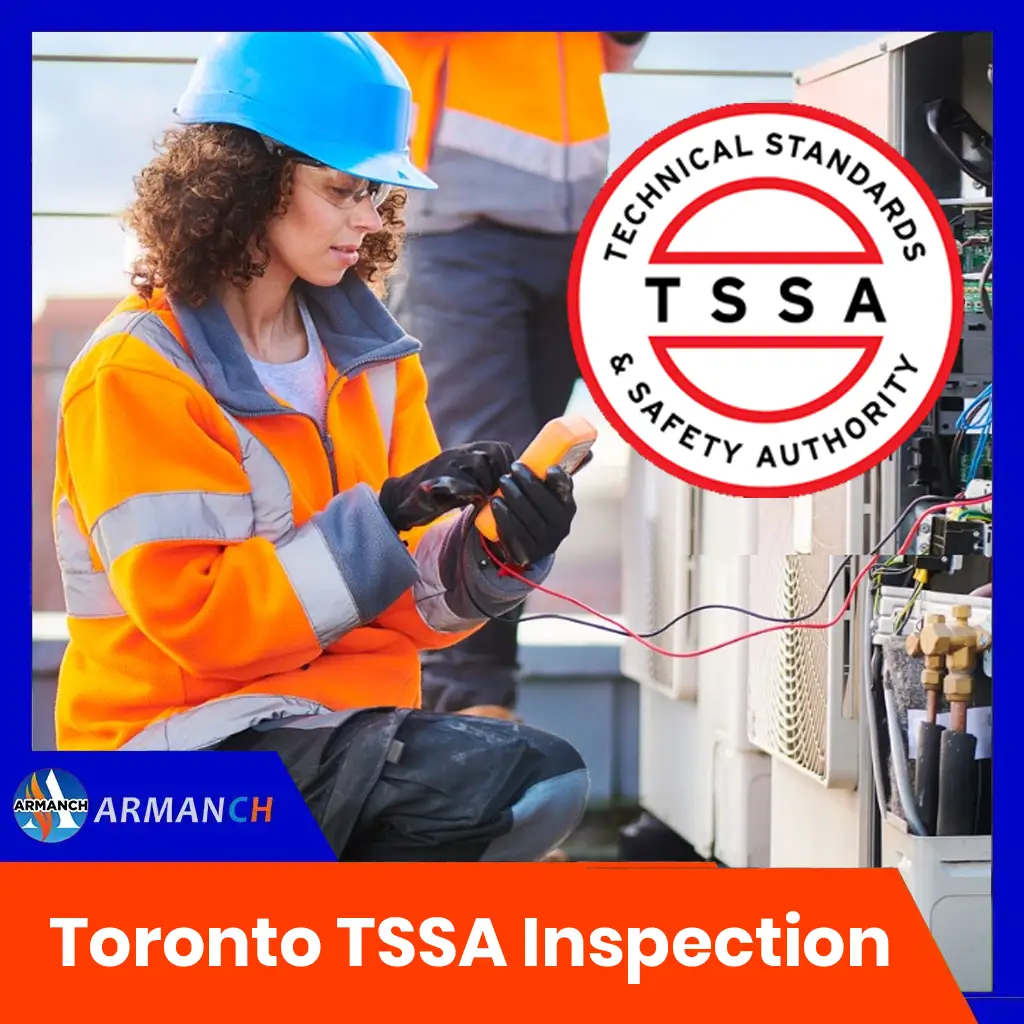
Keeping your gas equipment compliant and safe isn’t just smart, it’s the law. In Toronto , regular inspections by the Technical Standards and Safety Authority (TSSA) are important to ensure your HVAC and gas systems operate efficiently and meet provincial safety standards.
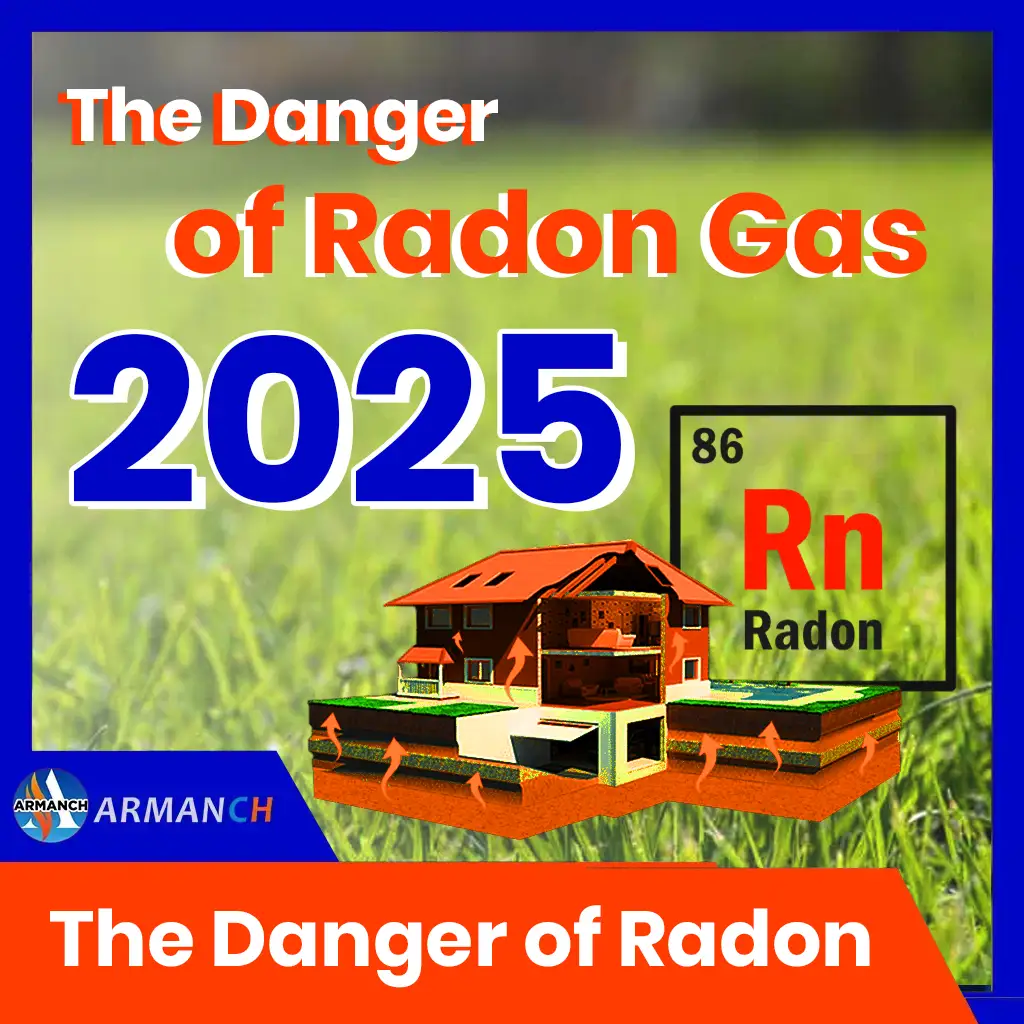
In 2025, new reports from the University of Calgary revealed that approximately 10.3 million Canadians live in homes where the radon gas levels exceed Health Canada’s guidelines.

